Skip to content


Shipping is one of the biggest operational expenses for ecommerce businesses. Rising fuel prices, dimensional weight pricing, and higher return rates have made logistics more expensive than ever.
If you’re searching for how to reduce shipping costs, this guide explains practical, proven strategies that help lower courier charges without affecting customer experience.
Why Shipping Costs Are Increasing
Shipping expenses have gone up because:
- Carriers now charge based on actual weight or volumetric (DIM) weight — whichever is higher
- Fuel surcharges increase frequently
- Remote area and oversized package fees are rising
- Return shipping costs eat into margins
For ecommerce brands, this means every gram and every inch of packaging matters.
What Impacts Your Shipping Cost the Most?
Before reducing costs, understand the key drivers:
- Package weight
- Package dimensions
- Shipping zone (distance)
- Carrier pricing model
- Delivery speed selected
- Return rate
Now let’s break down how to optimize these areas.
10 Practical Ways to Reduce Shipping Costs
1. Use Right-Sized Packaging
Oversized packaging increases volumetric weight, meaning you pay to ship empty space.
Switch to compact mailers instead of large cartons when possible.
2. Understand Volumetric (DIM) Weight
Carriers calculate volumetric weight using:
(L × W × H) / 5000 (India standard divisor)
Example:
- Box size: 40 × 30 × 20 cm
- DIM weight: (40×30×20)/5000 = 4.8 kg
- Actual weight: 2.5 kg
You’ll be billed at 4.8 kg, not 2.5 kg.
Reducing box size immediately lowers billed weight.
3. Switch to Lightweight Mailers for Soft Goods
For apparel and non-fragile items, flexible courier bags reduce both actual and dimensional weight.
Poly Courier Bags
Poly mailers are extremely lightweight and flexible. They hug the product instead of holding air like a box.

Best for:
- Apparel
- Soft accessories
- Fabric-based products
Benefits:
- Lower dead weight
- Reduced volumetric charges
- Water-resistant and tamper-evident
- Lower per-unit cost than cartons
This directly helps reduce ecommerce shipping costs at scale.
Paper Courier Bags
Paper courier bags are strong yet slim. They work well for:

- Documents
- Lightweight apparel
- Flat products
- Non fragile products
Advantages:
- Lightweight structure
- Reduced DIM weight
- Recyclable material
- Professional brand appearance
They combine cost control with sustainable packaging positioning.
Bubble Mailers for Fragile Items
Bubble mailers include built-in cushioning, eliminating the need for extra fillers.
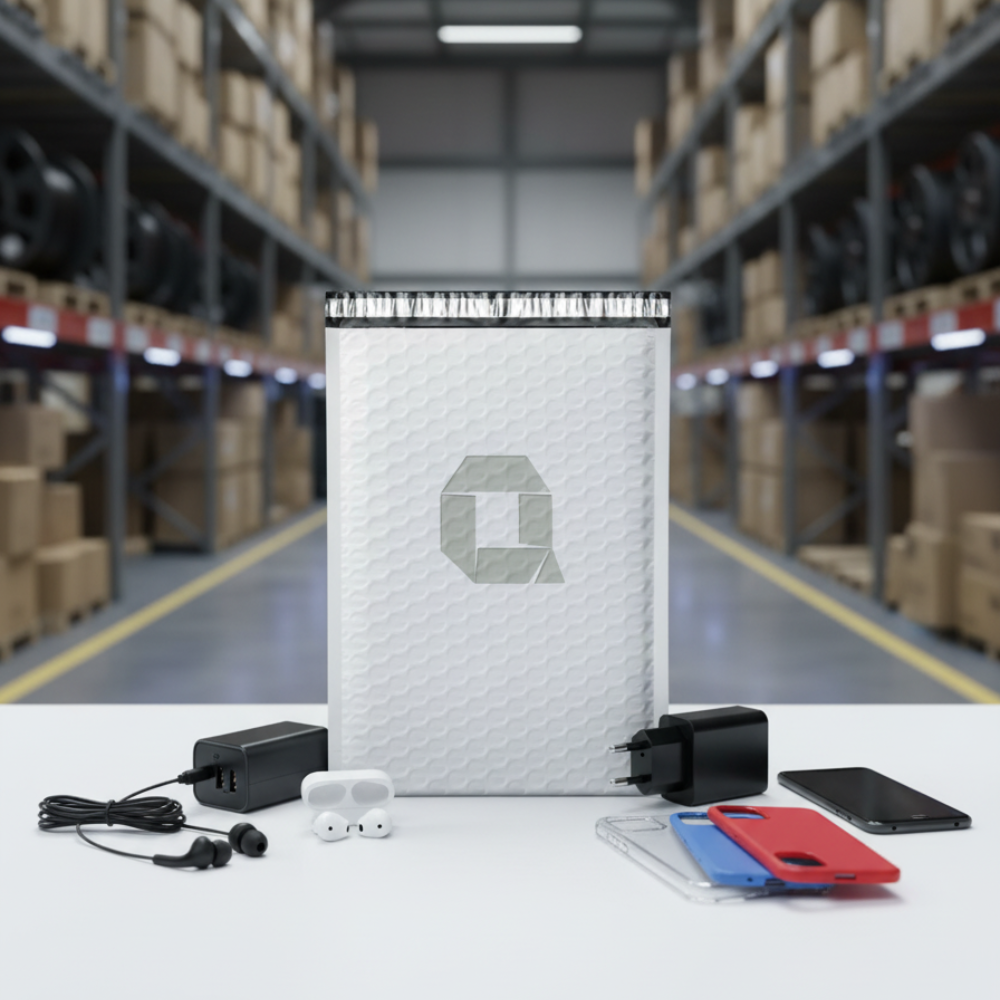
Best for:
- Cosmetics
- Small electronics
- Jewelry
- Beauty accessories
Because they are lighter than box-plus-filler setups, they help reduce both material cost and freight cost.
Fewer breakages also mean fewer return and replacement costs.
4. Compare Multiple Carriers
Do not depend on a single courier partner.
Use shipping aggregators to compare:
- Zone-wise rates
- Weight slabs
- Delivery timelines
Even small rate differences can significantly reduce logistics expenses over thousands of orders.
5. Negotiate Carrier Contracts
If you ship consistently, negotiate:
- Lower rate slabs
- Reduced fuel surcharge
- Waived remote area fees
- Return shipping discounts
Volume-based negotiation can lower last-mile costs.
6. Standardize Packaging Sizes
Using 3–5 standardized sizes:
- Speeds up warehouse packing
- Reduces handling time
- Improves supplier pricing
- Prevents oversizing
This is a simple but powerful shipping cost optimization strategy.
7. Reduce Return Rates
Returns increase:
- Reverse logistics cost
- Replacement shipping
- Packaging expense
Improve product descriptions, sizing guides, and protective packaging to minimize damage-related returns.
8. Use Regional Warehousing
Shipping from a warehouse closer to customers reduces:
- Shipping zone distance
- Delivery time
- Freight cost
Zone reduction alone can significantly lower courier charges.
9. Choose the Right Delivery Speed
Offering only express shipping increases cost.
Instead:
- Provide standard shipping as default
- Offer express as paid upgrade
This balances customer expectations and profit margins.
10. Buy Packaging in Bulk
Bulk purchasing of courier bags and mailers reduces per-unit packaging cost and ensures availability during peak season.
Real Example: How Right-Sized Packaging Saves Money
Let’s compare:
| Packaging Type | DIM Weight | Actual Weight | Billed Weight |
| Large Carton | 4.8 kg | 2.5 kg | 4.8 kg |
| Poly Mailer | 2.7 kg | 2.5 kg | 2.7 kg |
If shipping cost per kg = ₹45
Savings per shipment = ₹94.5
Multiply that by 1,000 orders per month — the impact is significant.
Packaging Comparison Table
| Packaging Type | Best For | Weight Impact | Cost Efficiency | Protection Level |
| Poly Mailer | Apparel | Very Low | High | Medium |
| Paper Mailer | Documents | Low | Medium | Medium |
| Bubble Mailer | Small Fragile | Low | High | High |
Frequently Asked Questions
How to reduce shipping costs in ecommerce?
Use lightweight, right-sized packaging, compare carriers, negotiate rates, reduce return rates, and minimize volumetric weight. Combining packaging optimization with carrier strategy delivers maximum savings.
Does reducing package size lower shipping cost?
Yes. Smaller packages reduce volumetric weight. Since carriers charge based on higher of actual or DIM weight, reducing dimensions directly lowers shipping charges.
What is the cheapest way to ship ecommerce products?
The cheapest method depends on weight, zone, and product type. Lightweight courier mailers combined with standard delivery and negotiated carrier contracts usually provide the lowest cost structure.
Do bubble mailers reduce return losses?
Yes. Bubble mailers offer built-in cushioning that prevents breakage, reducing replacement shipping, refund costs, and reverse logistics expenses.
How does volumetric weight affect shipping cost?
If your packaging is large but light, carriers may bill based on volumetric weight instead of actual weight. Oversized boxes increase freight cost even when products are lightweight.
Conclusion
Reducing shipping costs is not about choosing the cheapest courier. It requires optimizing:
- Packaging size
- Weight
- Carrier mix
- Shipping zones
- Return rates
- Fulfillment strategy
Businesses that treat packaging as a cost-control tool often see measurable improvements in logistics margins.
If you’re serious about learning how to reduce shipping costs, start by analyzing your current package dimensions — because small size adjustments can lead to large savings.