Skip to content
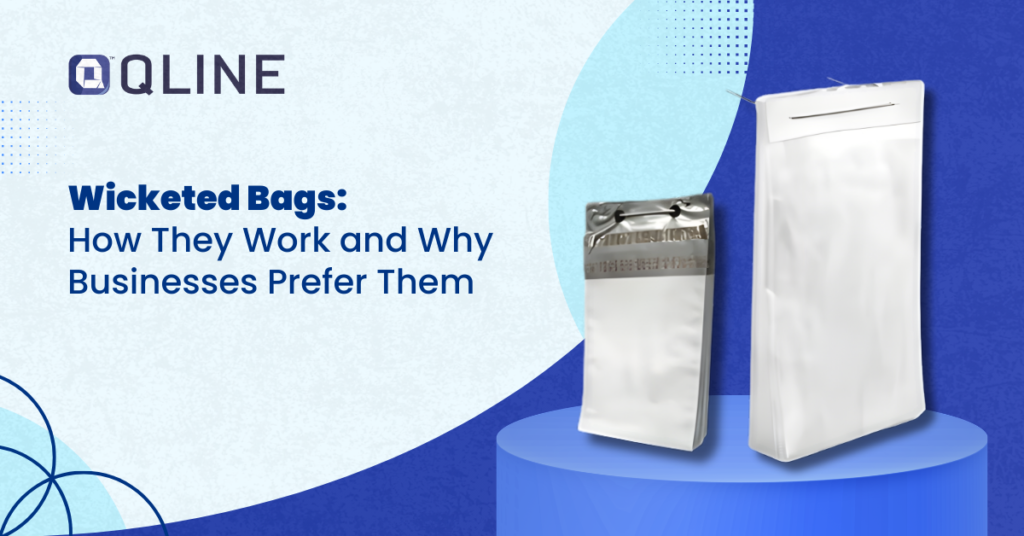

Wicketed bags have become a go‑to option for fast‑moving retail, food, and e‑commerce operations. They help teams pack faster, stay organized, and keep a consistent presentation across large volumes. If you’ve ever wondered what a wicketed bag is and whether it fits your business, this guide explains how they work, where they’re used, and why they’re so effective.
What Is a Wicketed Bag?
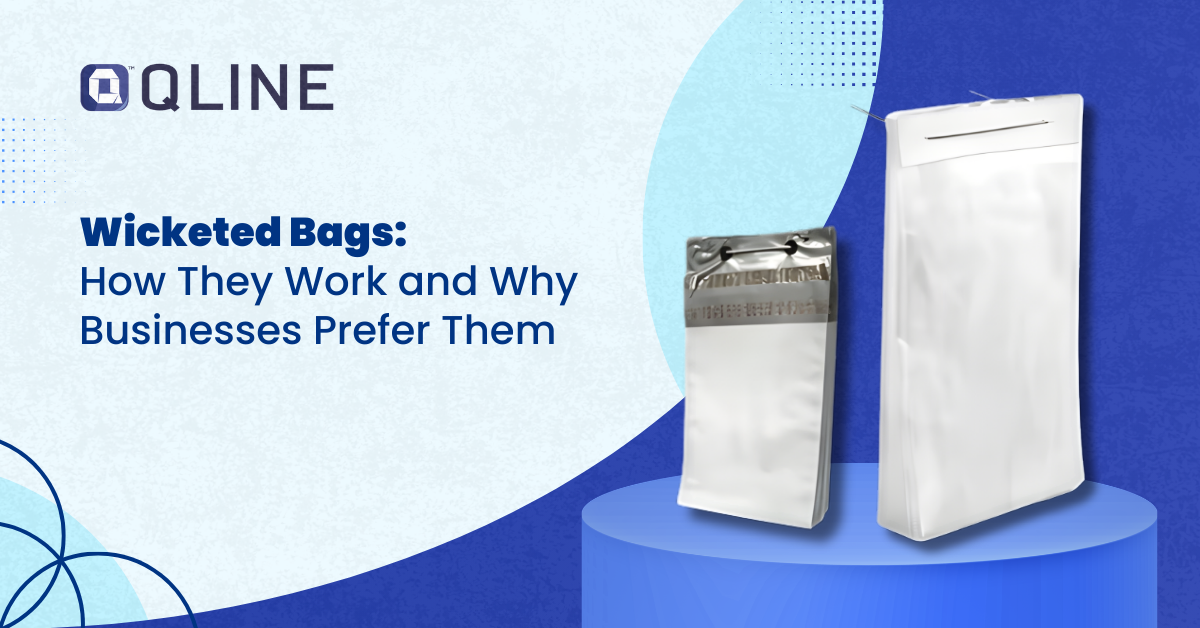
A wicketed bag is a stack of bags held together on metal or plastic pins called wickets, usually through holes punched in the header. Instead of handling loose bags, packers pull one bag at a time from the wicketed stack while the rest stay neatly aligned.
When people ask “what is a wicketed bag,” the simple answer is: a bag designed to hang on pins for faster, more controlled dispensing.
A typical setup includes the bag, the wicket pins that hold the stack in place, and the bundle of bags loaded onto a stand or machine. The header is often perforated or designed to tear off after filling so each bag can be removed quickly once the product is packed.
How Wicketed Bags Work
Wicketed bags hang on a pin system mounted to a stand, table, or packing machine. The operator opens the front bag while it remains on the pins, loads the product, and then tears or lifts it off, revealing the next bag already in position. This cuts the time spent picking up, opening, and orienting individual bags and keeps the workflow steady.
In higher‑volume operations, wicketed bags are paired with a wicketed bag machine. The machine works directly with pinned stacks, automatically opening, filling, and sealing the bags. Combining wicketed bags and automation significantly boosts throughput and keeps pack quality consistent.
Common Uses of Wicketed Bags
There are many practical wicketed bag uses across industries. In retail, they are widely used for apparel, accessories, and soft goods where speed and presentation matter.
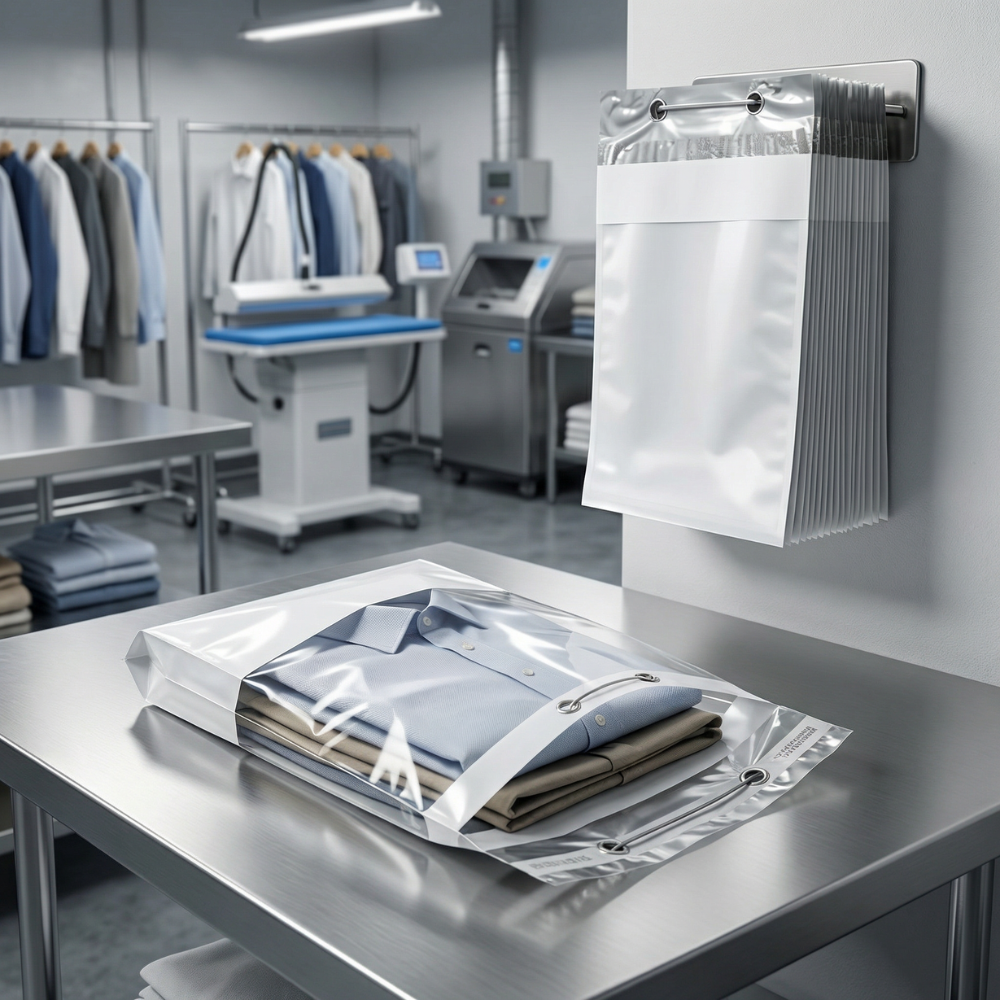
Staff can quickly bag folded garments or accessories from a stable stack of plastic wicket bags at checkout or in packing rooms.
In food and bakery operations, wicketed bags are common for bread, buns, pastries, produce, and frozen foods.
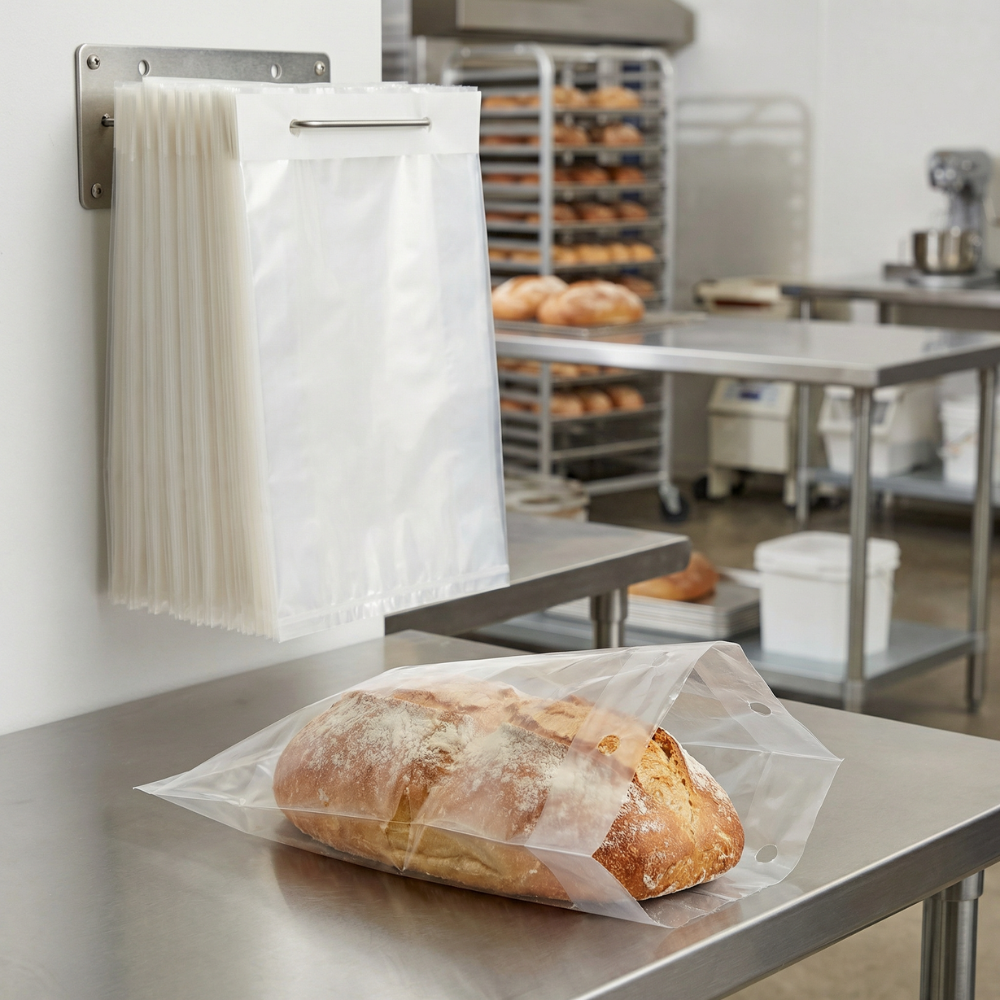
Plastic wicket bags perform well in chilled or frozen conditions and can be closed with clips, ties, or heat seals.
E‑commerce and industrial teams use wicketed bags for components, hardware, and kits that need clean, repeatable packing and easy counting.
For frozen and moisture-sensitive shipments, you may also explore our poly mailer bags designed for secure e-commerce transit.
Types and Materials of Wicketed Bags
Most wicketed bags are made from polyethylene, making plastic wicket bags a versatile option.
Polyethylene offers clarity, flexibility, and strength, and can be produced in different thicknesses. Lightweight film suits garments and soft items, while thicker gauges are better for heavier or sharper products.
You can also choose more sustainable films, such as recyclable or biodegradable options.
Wicketed bag sizes range from small pouches for parts or baked goods to larger bags for clothing or bulk items. Matching wicketed bag sizes to product dimensions improves presentation and reduces material waste.
Benefits of Using Wicketed Bags
Here are the key advantages of using wicketed bags in B2B and high-volume packaging operations:
Faster Packaging Speed
- Pre-stacked and pre-opened bags
- Reduced manual handling
- Faster product insertion
- Increased output per hour
- Lower labor costs
- Ideal for bulk B2B packaging operations
Improved Operational Efficiency
- Bags stay neatly stacked on a wicket
- No loose bag clutter
- Easy loading onto filling machines
- Smooth production workflow
- Minimal downtime
- Perfect for factories and large-scale manufacturers
Hygienic Packaging (Best for Food Industry)
Commonly used for:
- Bread & bakery products
- Fresh produce
- Frozen foods
Why it’s hygienic:
- Bags remain stacked and untouched until use
- Reduced contamination risk
- Helps maintain food safety standards
Space-Saving & Easy Storage
- Compact stacking
- Organized storage
- Easy transportation
- Reduced warehouse mess
- Better inventory management
Cost-Effective for Bulk Orders
- Machine-compatible design
- Lower operational costs
- Higher packaging consistency
- Better ROI for manufacturers
- Best suited for medium to large MOQ B2B buyers
These benefits make wicketed bags a practical solution for businesses focused on speed, efficiency, hygiene, and cost control.
Choosing the Right Wicketed Bag for Your Business
Choosing the right wicketed bag starts with product dimensions. Wicketed bag sizes should fit your items closely while still leaving enough space for easy loading and sealing.
How to Choose a Wicketed Bag Supplier
Choosing the right supplier ensures consistent quality, timely delivery, and smooth packing operations. Before placing an order, check these key factors:
- Manufacturing capability – Prefer suppliers with in-house production for better quality control.
- Customization options – Confirm custom sizes and printing availability.
- MOQ flexibility – Make sure order quantities match your business needs.
- Material quality – Verify film strength and food-grade compliance if required.
- Lead time – Check standard production and delivery timelines.
- Machine compatibility – Ensure bags work properly with your packing equipment.
Selecting the right supplier helps avoid delays, quality issues, and packing disruptions.
Wicketed Bag Supplier Checklist
| Factor | What to Confirm |
| Production Setup | In-house manufacturing |
| MOQ | Flexible order quantity |
| Printing | Custom logo & barcode options |
| Material | LDPE, LLDPE, food grade if needed |
| Lead Time | Reliable and on-time delivery |
| Automation | Machine-friendly design |
Next, consider material and thickness. For light, soft products, thinner plastic wicket bags are usually enough; heavier or more abrasive products need stronger film.
Decide whether you want plain bags or custom‑printed bags with branding, product details, or barcodes to support retail and warehouse workflows.
Wicketed Bag Machines and Automation
A wicketed bag machine is specialized equipment designed to handle stacks of wicketed bags. It automates bag opening, product loading, and sealing, creating a smooth, continuous packing flow. This is especially valuable when order volumes grow and manual packing becomes too slow or inconsistent.
Automation with a wicketed bag machine makes sense once you reach volumes where hand packing limits throughput. At that point, combining wicketed bags with automation helps reduce errors, standardize pack quality, and free staff for higher‑value tasks.
Wicketed Bags vs Other Packaging Types`
Compared to loose poly bags or zip‑top bags, wicketed bags provide a more structured and efficient workflow. With loose bags, packers spend time separating, aligning, and opening each one; with wicketed bags, the next bag is always ready on the pins in the correct position.
On a per‑unit basis, wicketed bags are usually competitive, and the labor savings they create often make them more economical overall in high‑volume environments.
FAQs
What is a wicketed bag used for?
Wicketed bags are used for fast, organized packing in bakeries, produce lines, retail stores, e‑commerce, and industrial packing stations.
Are plastic wicket bags reusable?
They can be reused if undamaged, but in most commercial operations plastic wicket bags are treated as single‑use for hygiene and process control.
What sizes do wicketed bags come in?
They are available in many standard widths and lengths, from small bakery or hardware bags to large garment bags, and can also be custom sized.
What is a wicketed bag machine?
It is automated equipment that opens, fills, and seals wicketed bags directly from the wicket holder to increase packing speed and consistency.
How do wicketed bags improve packing speeds?
Bags hang ready‑to‑fill on the wickets, so operators or machines can work in a steady rhythm without stopping to separate or orient individual bags.
Can wicketed bags be custom printed?
Yes. Many suppliers offer custom‑printed plastic wicket bags with logos, branding, product information, and barcodes.
Conclusion
Why Wicketed Bags Are Essential for Efficient Packaging
For companies looking to streamline packing operations, wicketed bags offer a strong mix of speed, organization, and flexibility.
With a range of wicketed bag sizes, materials, and printing options, they can be tailored to retail, e‑commerce, food, and industrial applications. Partnering with a reliable wicketed bag supplier and, where it makes sense, adding a wicketed bag machine can help you unlock faster packing and more consistent outputs.