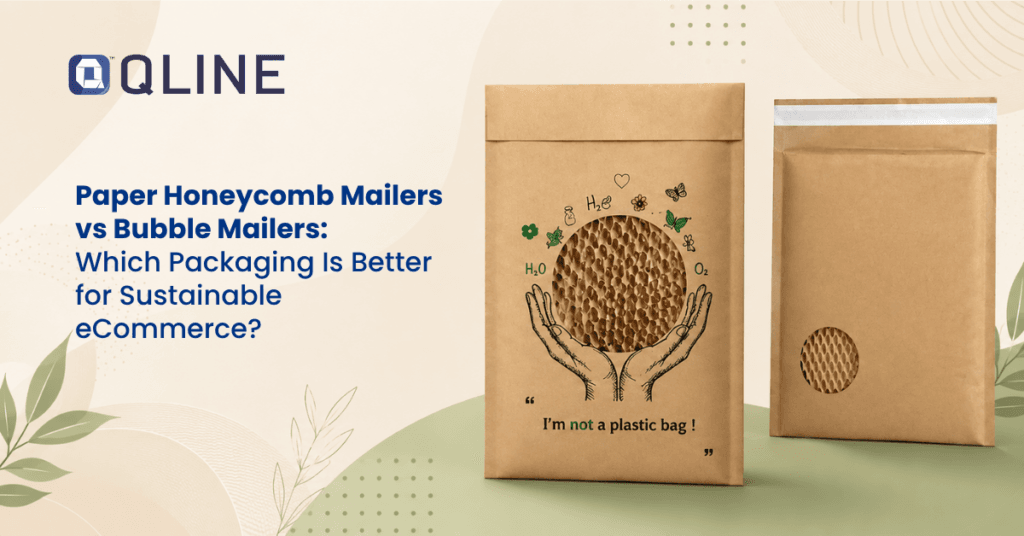

As e-commerce brands look for ways to reduce plastic use, packaging has become an important part of the customer experience. Paper Honeycomb Mailers offer a paper-based cushioning alternative to traditional plastic bubble mailers, but the better option depends on your products, shipping conditions and sustainability goals.
What Are Paper Honeycomb Mailers?
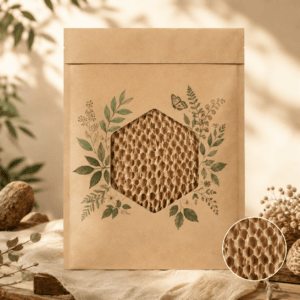
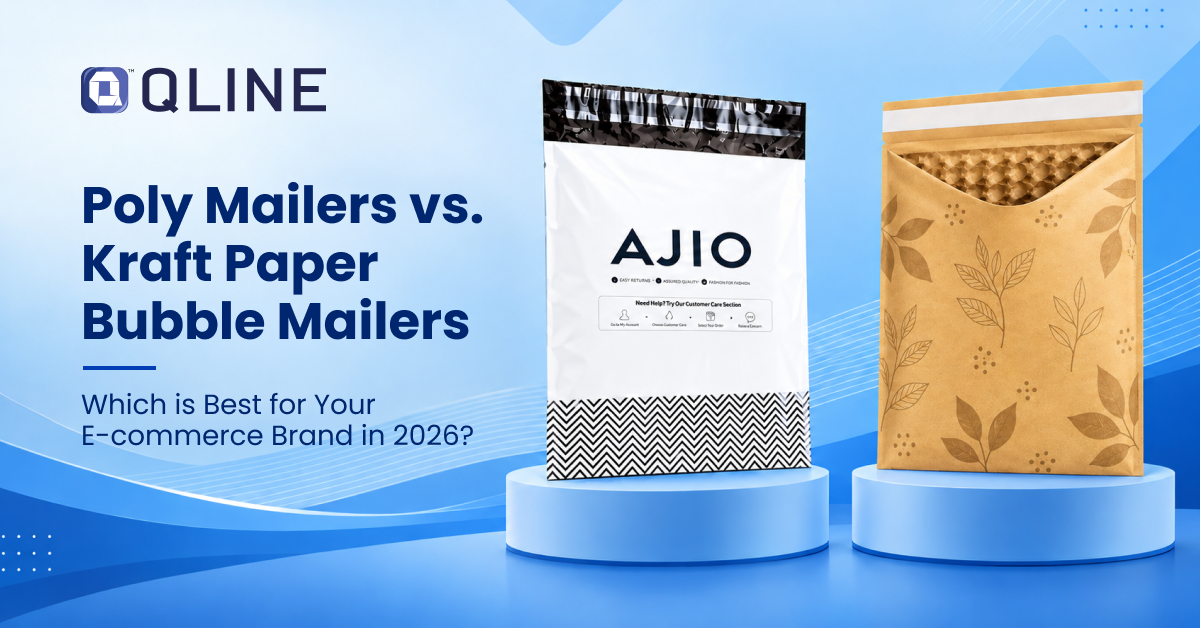
Paper Honeycomb Mailers are protective envelopes made with kraft paper cushioning formed into a hexagonal, honeycomb-like structure. These three-dimensional paper cells help absorb minor impacts, reduce surface scratches and keep products from shifting during delivery.
Unlike plastic-lined mailers, honeycomb paper packaging can often be recycled with paper waste when it is made from compatible paper materials and contains no difficult-to-separate plastic components. Businesses should still confirm the product’s composition and check local recycling guidelines before making environmental claims.
How Do Bubble Mailers Compare?
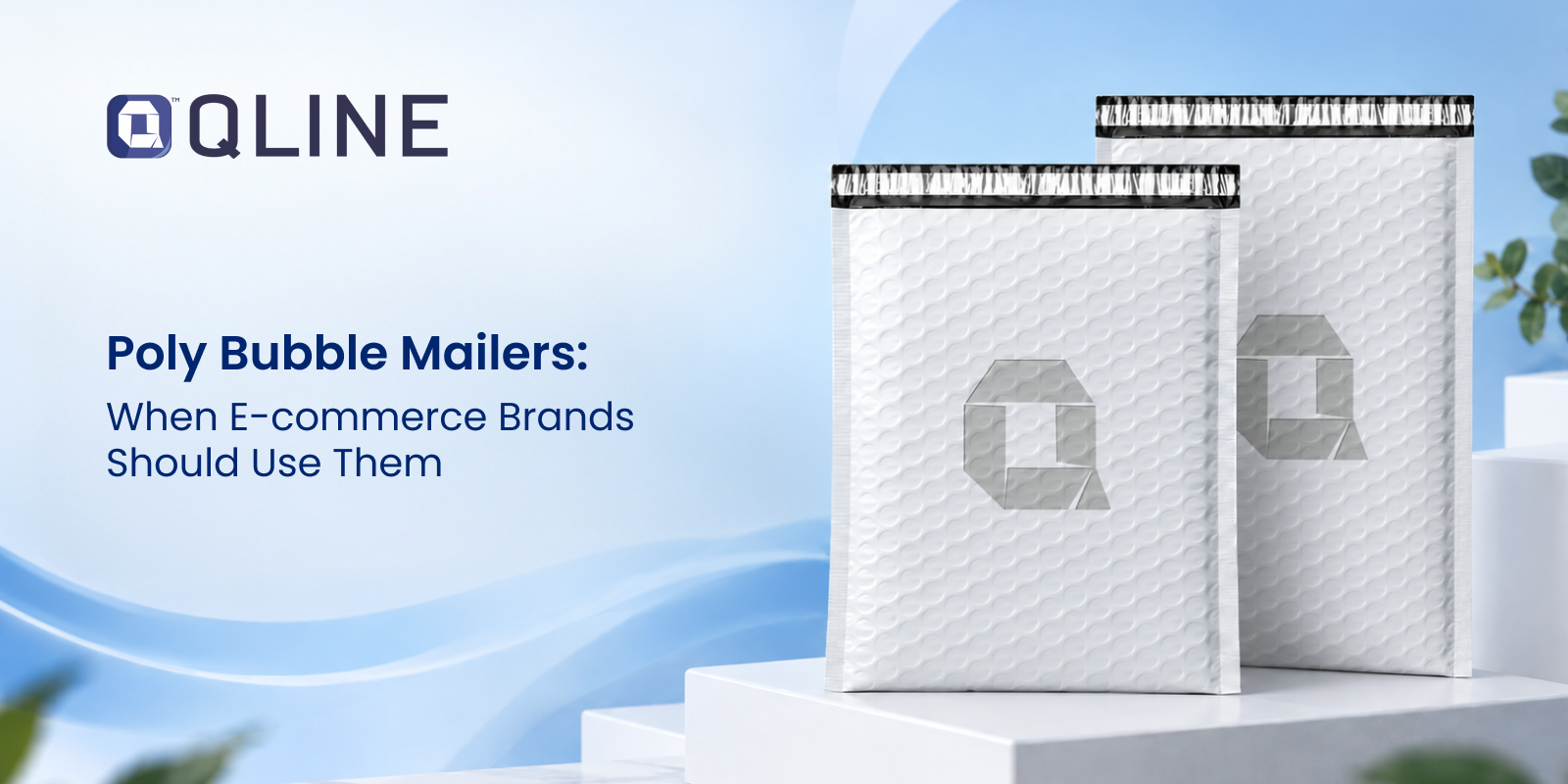
Bubble mailers typically use an outer plastic layer with an air-filled polyethylene bubble lining. The bubbles provide cushioning and can be useful for products that need additional impact protection, such as fragile accessories, cosmetics, books and small electronics.
However, plastic bubble mailers may be difficult to recycle through ordinary household recycling systems because the paper label, adhesive and plastic layers may need to be separated. Some bubble mailers are reusable or made with recycled content, but these features do not automatically make them recyclable in every location.
Key Differences
Factor | Paper Honeycomb Mailers | Bubble Mailers |
Material | Primarily paper or kraft-based cushioning | Usually plastic film with bubble lining |
Sustainability | Supports paper recycling when correctly designed and accepted locally | Recycling may require specialist collection |
Protection | Suitable for light to moderate cushioning needs | Often stronger cushioning for impact-sensitive products |
Moisture resistance | May need an additional moisture barrier | Plastic construction generally offers better moisture resistance |
Customer experience | Natural, premium and paper-based appearance | Familiar, lightweight and widely available |
Best use | Apparel, books, accessories and moderately fragile goods | Electronics, sharp-edged products and moisture-sensitive items |
Paper padded mailers can provide protection comparable to bubble-lined packaging for many moderately fragile products, while bubble mailers remain useful for sharp corners and moisture risks.
Benefits of Paper Honeycomb Mailers
Lower plastic dependence
For brands trying to reduce plastic packaging, paper mailers provide a practical alternative. Their paper cushioning can help replace plastic bubble film without requiring a separate inner wrapping layer for every product.
Easier disposal
Many recyclable mailers can be placed in paper recycling, provided they are made from compatible materials and are free from plastic film or excessive adhesive. Clear disposal instructions can help customers handle the packaging correctly.
Stronger sustainable branding
Using eco-friendly mailers can reinforce a brand’s environmental positioning. A paper-based package also creates a natural, minimal look that may appeal to customers who value responsible purchasing and low-waste delivery.
Lightweight protection
Honeycomb cushioning protects against scuffs and everyday handling while adding less bulk than a rigid box. This can make it suitable for clothing accessories, stationery, books, cosmetics and other small e-commerce products.
When Are Bubble Mailers Better?
Bubble mailers may be the better choice when the product needs greater cushioning, water resistance or protection from sharp edges. They are particularly useful for small electronics, glass accessories and products that could be damaged by moisture during delivery.
For high-value or highly fragile items, neither mailer should be the only layer of protection. Use an appropriately sized box, internal cushioning and shipment tracking when the product’s value or fragility justifies it.
Which Should Your Business Choose?
Choose Paper Honeycomb Mailers when:
- Your products need light to moderate impact protection.
- Your brand prioritises paper-based, recyclable packaging.
- The shipment is not highly vulnerable to moisture.
- You want a natural and premium unboxing experience.
Choose bubble mailers when:
- Products need stronger cushioning.
- The package may face rain or humid conditions.
- Items have sharp corners or irregular shapes.
- The product is sensitive to impact and requires additional padding.
In many cases, the best strategy is to use both formats. Make paper mailers the default for suitable products, then reserve bubble mailers or boxes for items with higher protection requirements. This approach can reduce unnecessary plastic use without compromising product safety.
FAQs
Are Paper Honeycomb Mailers recyclable?
They may be recyclable if they are made primarily from paper and accepted by local recycling facilities. Always check the manufacturer’s material information and local disposal rules.
Are honeycomb mailers waterproof?
Paper mailers are generally less moisture-resistant than plastic bubble mailers. For moisture-sensitive products, use an inner sealed pouch or choose packaging with a verified water-resistant barrier.
Are paper mailers suitable for electronics?
They can be suitable for accessories and well-protected small devices, but sensitive electronics may require anti-static protection and stronger internal cushioning.
Are Paper Honeycomb Mailers more sustainable than bubble mailers?
They can be a more sustainable option when they use recyclable paper materials and are disposed of through appropriate recycling systems. The final environmental impact also depends on manufacturing, transport, coatings and local recycling access.
Protective paper mailers are a strong choice for brands seeking sustainable eCommerce packaging, while bubble mailers remain valuable where cushioning and moisture protection are priorities. The right decision is not simply paper versus plastic—it is matching the mailer to the product and using no more material than necessary.