
In e-commerce, packaging is about safe, efficient delivery—not just shelf appeal. For Indian online brands, secondary packaging for e-commerce has become critical because it directly impacts transit safety, brand visibility, and the customer’s delivery experience.
Introduction
In an e-commerce supply chain, a shipment passes through multiple hubs and handlers before it reaches the buyer. At each stage, secondary packaging for e-commerce must protect the product and represent the brand consistently, which is why it has become a strategic focus for online businesses.
What is E-commerce Packaging?
E-commerce packaging includes all the materials and formats used to prepare a product for dispatch through a courier or logistics network. It is designed for transport and delivery rather than in-store display.
Its role is to:
protect products during multiple handling points, keep shipments tamper-evident and secure, and support a professional, branded delivery experience.
Types of Packaging in E-commerce
E-commerce packaging can be understood in three basic layers. Secondary packaging sits at the centre of these and is the focus for most operations teams.
| Layer | Description |
| Primary | Direct product pack (bottle, jar, unit box). |
| Secondary | Outer pack used for individual order shipping. |
| Tertiary | Bulk packs and pallets used in warehousing. |
Primary packaging protects and presents the product itself, while tertiary packaging is used for moving larger volumes in trucks or warehouses. Secondary packaging connects both worlds by carrying individual orders through courier networks to the end customer.
Secondary Packaging: The Core of E-commerce Operations
What is Secondary Packaging?
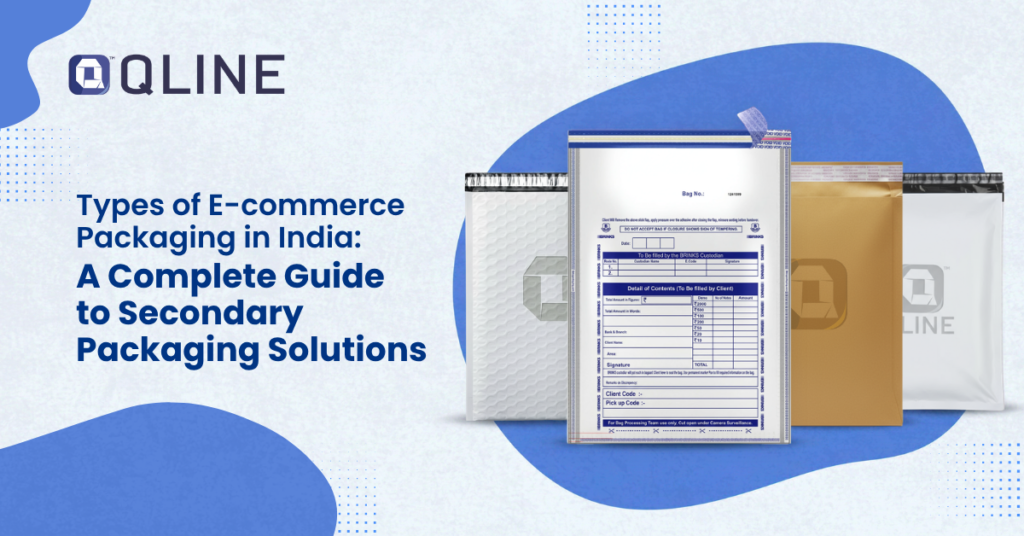
Secondary packaging is the outer shipping layer that contains one or more primary-packed products for delivery. In e-commerce, this typically includes courier bags, poly mailers, paper mailers, and padded envelopes used during order fulfilment and last-mile delivery.
Key Functions in E-commerce
- Secondary packaging is expected to:
- Protect products from impact, dust, and moisture during transport.
- Offer tamper evidence so that any interference is clearly visible.
- Remain lightweight to help control per-order shipping costs (actual and volumetric weight, usually in kilograms and centimetres).
- Allow easy labelling, barcode scanning, and handling across hubs and delivery partners.
Types of Secondary Packaging Used in E-commerce
Tamper Evident Courier Bags
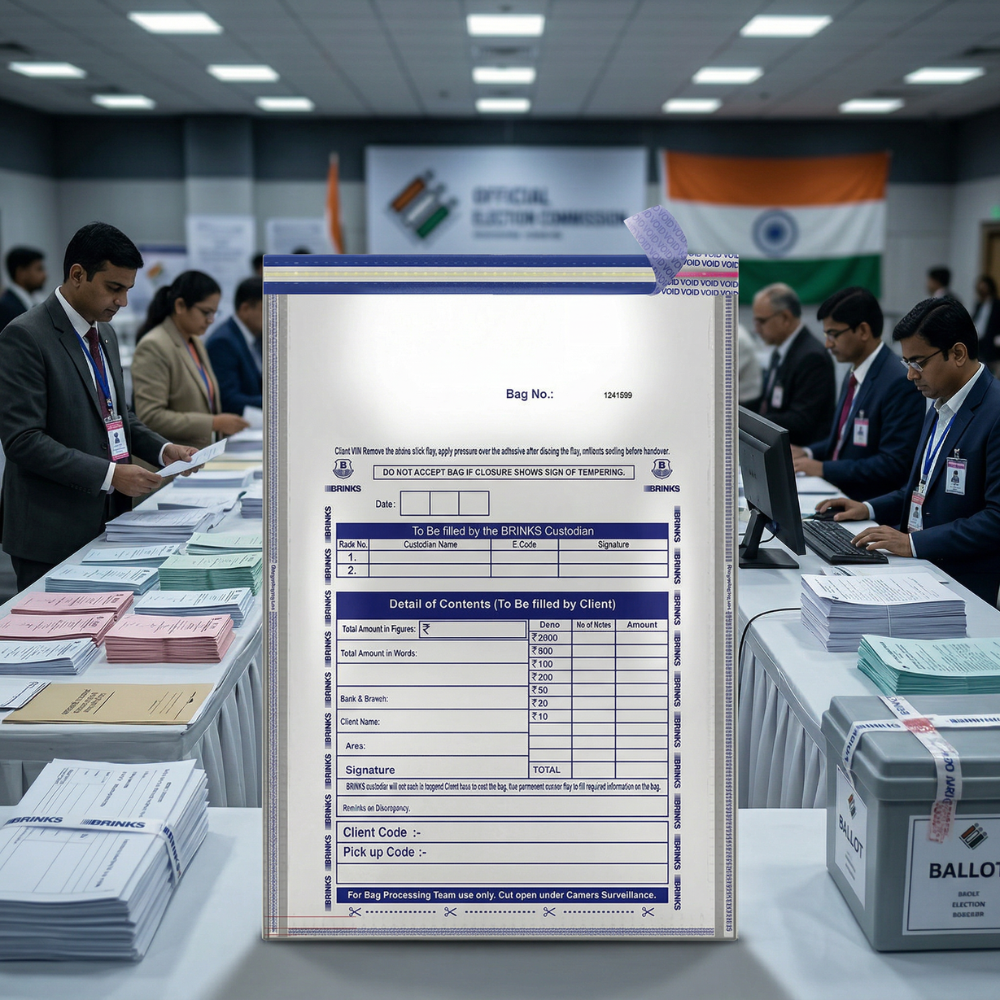
Tamper evident courier bags are designed to show clear signs if someone tries to open or reseal the shipment. They are widely used for higher-value products, confidential documents, and sensitive categories because they help reduce pilferage and disputes between buyers, sellers, and courier partners.
Poly Courier Bags
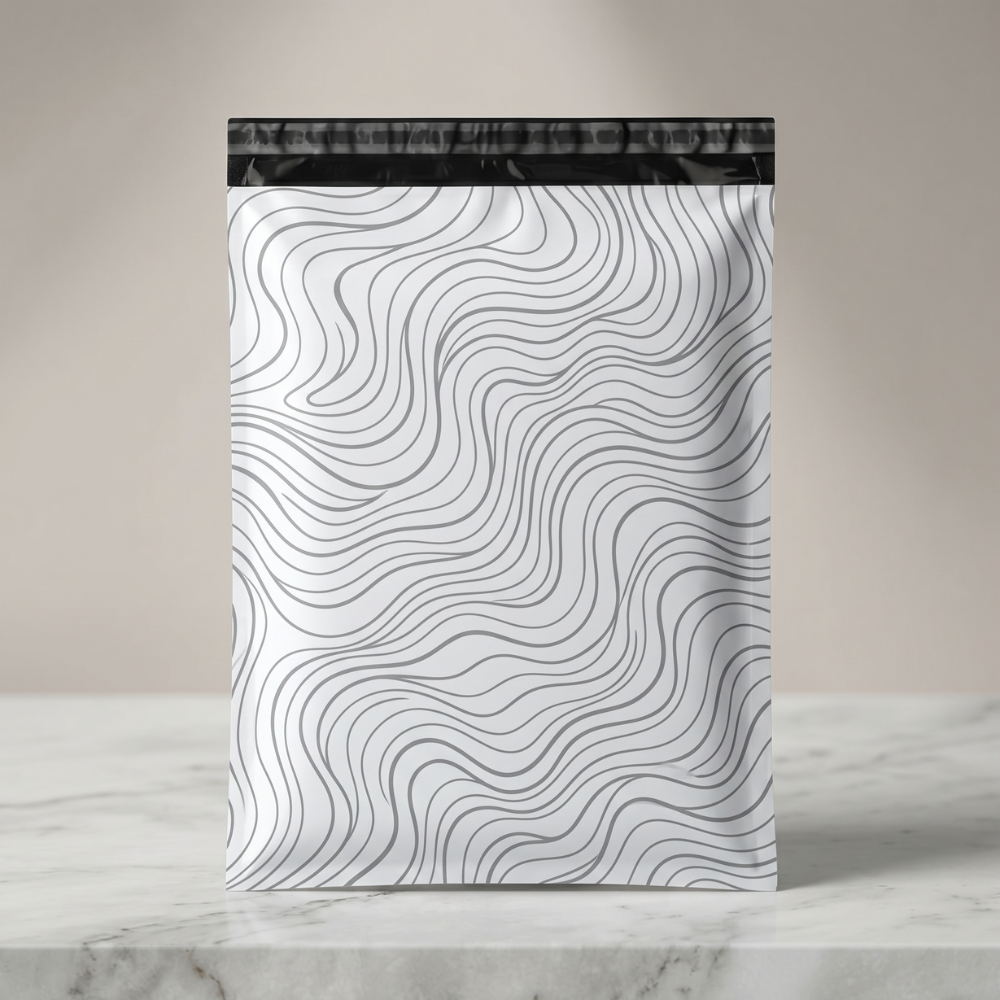
Poly courier bags are light, flexible, and cost-effective. They are commonly used for apparel, accessories, and other non-fragile products. Their water-resistant properties help protect shipments during monsoons and long-distance road transport within India.
Paper Mailers
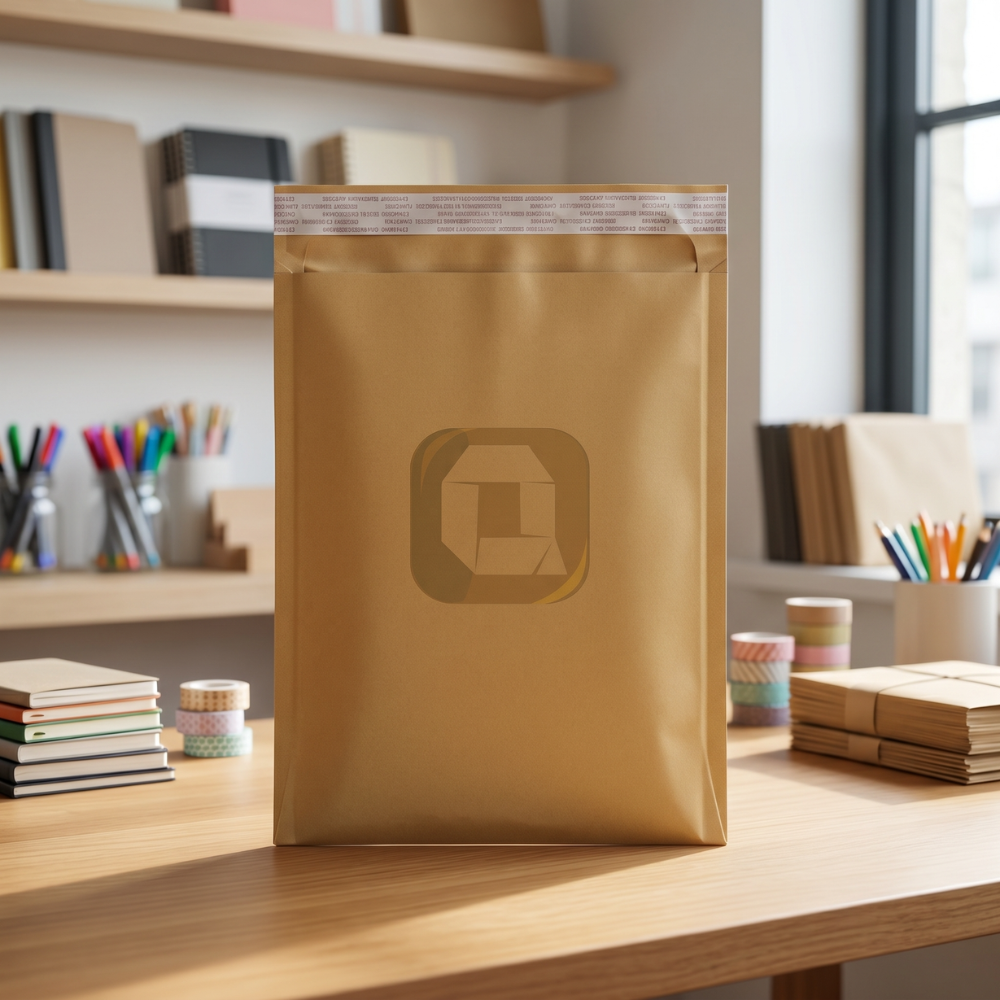
Paper mailers are an increasingly popular option among brands that want to reduce plastic usage. They are suitable for items like clothing, soft goods, and smaller boxed products, and they can be designed using recyclable paper that aligns with sustainability goals.
Paper Bubble Mailers
Paper bubble mailers combine an outer paper layer with an inner cushioning layer. They provide added shock absorption for delicate items without switching to a full cardboard box. This helps balance safety with lower weight-based and volumetric courier charges.
Role of Packaging in Logistics & Handling
Impact on Supply Chain Efficiency
Standardised secondary packaging sizes make it faster for warehouse teams to pick, pack, sort, and dispatch orders. Clear labelling and scannable surfaces support automation and reduce manual mistakes in busy fulfilment centres.
Packaging and Shipping Cost Optimization
In India, most couriers calculate charges based on actual or volumetric weight (length × width × height in centimetres divided by a standard divisor, and then converted to kilograms). Lightweight, right-sized secondary packaging helps keep both these values efficient, lowering overall shipping cost per order.
Damage Reduction During Transit
Durable courier bags and mailers reduce the chances of product damage across multiple handling points, from the fulfilment centre to the last-mile delivery partner. Fewer damaged shipments translate to fewer returns, replacements, and customer complaints.
Branding Through Packaging
Printed Packaging for Brand Visibility
Printed secondary packaging turns every parcel into a branding surface. Logos, colours, and key messages printed on courier bags or mailers help customers identify the brand instantly, even before they open the package.
Enhancing Customer Experience
For many online-first brands, the package is the customer’s first physical touchpoint. Neat, well-designed packaging communicates reliability and care, which directly influences how customers perceive product quality and service.
Consistency Across Orders
Using consistent packaging designs across orders builds a strong and recognisable brand identity. Regular customers start to associate the look and feel of the package with a predictable, positive experience.
Benefits of Custom Printed Courier Bags for Ecommerce Businesses
For online brands, a courier bag is rarely just a way to move a product from a warehouse to a doorstep. Custom printed courier bags carry branding, build trust, and improve handling at every stage of the journey — all without adding meaningful weight or cost. For Indian ecommerce businesses shipping at volume, these everyday benefits add up quickly.
Stronger Brand Recall on Every Shipment
A plain courier bag is forgettable; a printed one is not. Logos, brand colours, and a clear tagline turn each parcel into a moving brand impression — visible to the customer, the delivery partner, and everyone who sees the package in transit. Over hundreds of orders, this consistent visual presence helps customers recognise and remember the brand long before they open the bag.
Higher Perceived Value and Trust
The package is often the first physical touchpoint a customer has with an online brand. A well-printed, branded courier bag signals that the business is established and pays attention to detail, which makes the entire purchase feel more reliable. This perception of quality directly influences repeat purchases and positive reviews, especially for mid-range and premium products.
Free, Repeated Marketing Exposure
Unlike paid ads, a custom printed courier bag promotes the brand every time it travels through a courier network or sits at a doorstep. Adding a website URL, social handle, or QR code turns the bag into a low-cost acquisition channel that keeps working long after the order is dispatched.
Better Order Accuracy and Handling
Custom printing isn’t only about looks. Branded courier bags can be designed with dedicated zones for shipping labels, barcodes, and handling instructions, making it easier for warehouse teams and delivery partners to scan, sort, and route parcels correctly. Cleaner labelling means fewer misrouted shipments and faster dispatch in busy fulfilment centres.
Tamper Evidence with a Professional Finish
Custom courier bags can combine branding with tamper-evident features such as strong self-sealing strips and tear-resistant material. This gives brands the best of both worlds: a polished, on-brand exterior and clear protection against pilferage and unauthorised opening — an important reassurance for higher-value or sensitive categories.
Cost-Effective at Scale
Poly and paper courier bags are lightweight and right-sized, which helps control both actual and volumetric weight and keeps per-order shipping costs in check. Printing in bulk lowers the per-unit branding cost, so businesses get a premium, branded delivery experience without the expense of rigid boxes or separate marketing inserts.
The Bottom Line
Custom printed courier bags let ecommerce brands protect their products, strengthen their identity, and market themselves — all in a single, low-cost packaging layer. As competition in Indian ecommerce grows, this combination of protection, branding, and efficiency makes printed courier bags one of the simplest high-impact upgrades a growing business can make.
Security & Tamper-Proof Packaging
Importance of Secure Packaging
Secure packaging helps prevent in-transit theft, partial pilferage, and unauthorised opening. It also reduces customer disputes and return claims related to missing items or tampered parcels.
Features of Tamper-Evident Packaging
Tamper-evident bags and mailers usually include strong self-sealing adhesive strips, tear-resistant materials, and designs that clearly show if the bag has been cut, resealed, or damaged. These features make it easier for both delivery partners and customers to check the integrity of the shipment.
Look & Feel: The Unboxing Experience
Visual Appeal
Clean layouts, clear printing, and brand-consistent colours on secondary packaging create a professional appearance. Even simple designs can feel premium when the printing and material quality are high.
Customer Perception
The unboxing moment shapes the customer’s impression of the brand. Well-structured secondary packaging can make a mid-range purchase feel premium and encourage positive reviews and word-of-mouth recommendations.
Minimal Yet Functional Design
In e-commerce, the most effective designs are often minimal but functional. They provide necessary protection and information without adding unnecessary bulk, which helps control both material usage and shipping cost.
Sustainable E-commerce Packaging
Indian customers are increasingly conscious of sustainability. Brands are responding by adopting recyclable mailers, paper-based alternatives, and designs that use less material without reducing protection. These choices support both environmental responsibility and positive brand perception.
How to Choose the Right Secondary Packaging
While selecting secondary packaging, e-commerce brands can use a simple checklist:
- Type of product and expected handling conditions.
- Required level of security and tamper evidence.
- Branding and printing requirements.
- Budget and impact on shipping cost (in kg and volumetric weight).
- Sustainability preferences such as recyclability and material mix.
Frequently Asked Questions
- What is secondary packaging in e-commerce?
Secondary packaging is the outer shipping layer used to pack and deliver products in individual orders. It holds the primary-packed items and is designed for courier handling and last-mile delivery.
- Why is tamper-proof packaging important?
Tamper-proof and tamper-evident packaging reduces theft and pilferage, protects higher-value products, and builds customer trust by clearly indicating if a parcel has been opened before delivery.
- How does packaging impact shipping costs?
Packaging influences both actual and volumetric weight. Lightweight, right-sized courier bags and mailers can lower the chargeable weight in kilograms, helping brands control per-order courier expenses.
- Can packaging help in branding?
Yes. Printed courier bags, branded mailers, and consistent visual design turn each shipment into a marketing asset, improving recall every time a parcel is delivered.
- Can you customize packaging with QR codes, barcodes, and POD (Proof of Delivery) pouches as per our requirements?
Yes, absolutely! We offer complete customization based on your business needs. We can add QR codes and barcodes for easy tracking and inventory management, as well as integrate POD pouches for secure document handling. Our solutions are designed to enhance efficiency, branding, and delivery experience.
- I am a startup / small business. Do you have ready stock available?
Yes! We understand the needs of startups and growing businesses. You can easily purchase ready stock packaging from our online platform Ongomart, making it quick and hassle-free to get started.
Conclusion
Secondary packaging sits at the centre of e-commerce success in India, directly impacting logistics efficiency, shipping costs, brand visibility, and customer trust. By choosing the right mix of secure, branded, and sustainable secondary packaging solutions, online businesses can protect their products, deliver a better experience, and scale their operations with confidence.