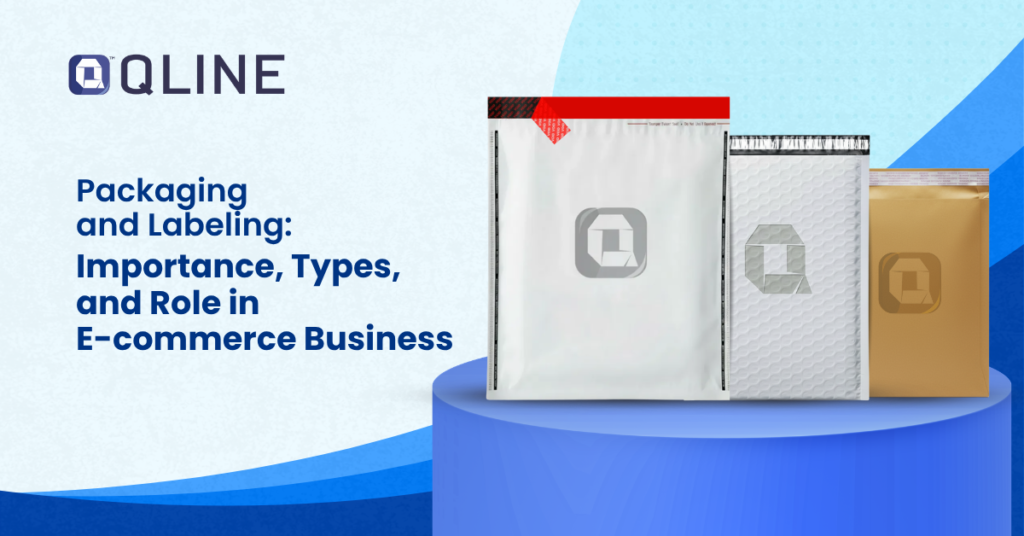

In e-commerce, packaging and labeling are not just back-end tasks; they shape how products move through logistics and how customers experience a brand at delivery. They influence safe transit, cost efficiency, brand visibility, and trust at the doorstep.
Introduction
In an e-commerce setup, packaging is the material that protects and ships the product, while labeling is the information printed or attached on that packaging. Together, packaging and labeling ensure safe delivery, smooth logistics handling, clear identification, and brand visibility. They turn a simple outer cover into a powerful customer touchpoint, not just a protective layer, forming a core part of packaging solutions for the eCommerce industry.
What is Packaging and Labeling?
Packaging
In e-commerce, packaging is the outer layer used for shipping, handling, and delivery. Its purpose is to protect products during transit, enable easy storage and movement in warehouses, and support cost-efficient shipping through the right choice of size, structure, and material.
Labeling
Labeling is the printed or attached information on the shipping pack. It includes shipping labels, addresses, barcodes, and branded prints. Its purpose is shipment identification, tracking and scanning support, and basic brand communication during every logistics stage.
Difference Between Packaging and Labeling
| Factor | Packaging | Labeling |
| Purpose | Protection and shipping efficiency | Information, tracking, and instructions |
| Function | Physical shipping layer | Printed identifiers and brand elements |
| Example | Poly mailers, paper mailers, bubble mailers | Shipping labels, barcodes, branded graphics |
Packaging carries the product; labeling carries the information that tells the system and the customer what the product is and where it is going.
Importance of Packaging and Labeling in E-commerce
Logistics Handling Efficiency
Right-sized packaging and clear labels make sorting, stacking, and dispatch faster. They support smooth warehouse operations and reduce manual errors during picking and routing.
Product Security
Tamper-proof or tamper-evident packaging helps prevent pilferage and accidental damage. Clear labels and seals show if the shipment has been opened, helping ensure safe delivery to customers.
Branding and Visibility
Printed packaging works like a moving advertisement. Logos, colours, and taglines on secondary packaging and labels build brand recall every time a parcel is handled, in hubs or at the customer’s doorstep.
Customer Communication
Accurate labels with complete addresses, contact details, and handling instructions improve delivery accuracy. A neat, professional label layout reinforces trust in the brand.
Cost Optimization
Lightweight, durable materials reduce shipping costs, while standardised packaging formats improve speed and efficiency across large order volumes.
Role of Packaging and Labeling in Customer Experience
First Impression at Delivery
The parcel is often the first physical interaction a customer has with the brand. Clean, sturdy packaging and clear labeling create a strong first impression at the door.
Trust Through Secure Packaging
Well-sealed, tamper-evident packs signal that the shipment is protected throughout transit. This builds confidence, especially for high-value or sensitive products.
Brand Recall via Printed Mailers
Branded poly or paper mailers keep the logo, brand colours, and tagline in front of the customer and everyone who handles the parcel, improving recall for future purchases.
Impact on Repeat Purchases
A smooth unboxing—secure pack, correct label, and tidy design—directly influences satisfaction, reviews, and the likelihood of repeat orders.
Types of Secondary Packaging Used in E-commerce
Secondary packaging includes solutions such as poly mailers, paper mailers, tamper-evident courier bags, and bubble mailers, which protect products in transit and support branding and logistics. These are widely used as secondary packaging options for online businesses looking to balance protection, cost, and brand visibility. For a detailed breakdown of each type and its specific use cases,
Types of Labeling in E-commerce
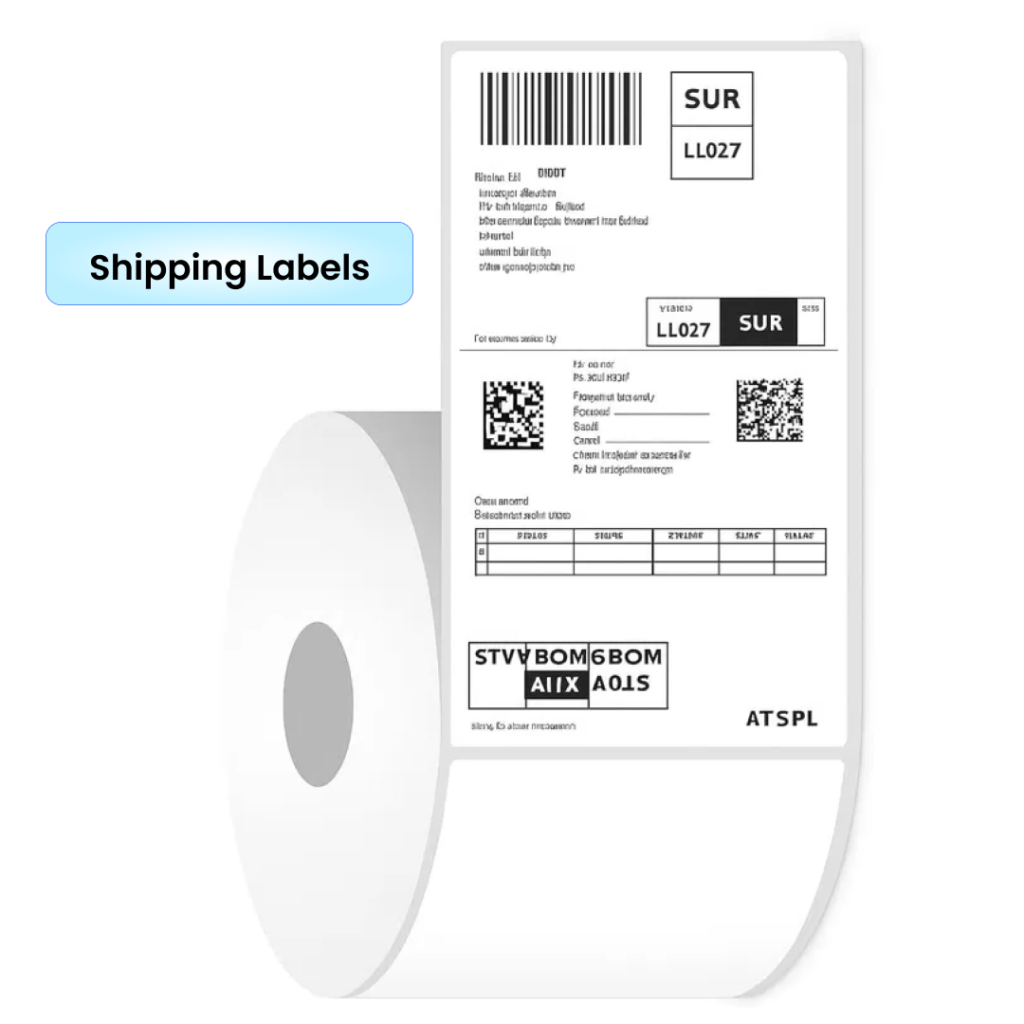
Shipping Labels
Shipping labels carry the recipient address, order details, and barcodes. They are critical for sorting, routing, and last-mile delivery.
Brand Labeling
Brand labeling appears as printed logos, taglines, and colours on the pack itself. It converts ordinary packaging into a recognisable brand surface.
Handling & Instruction Labels
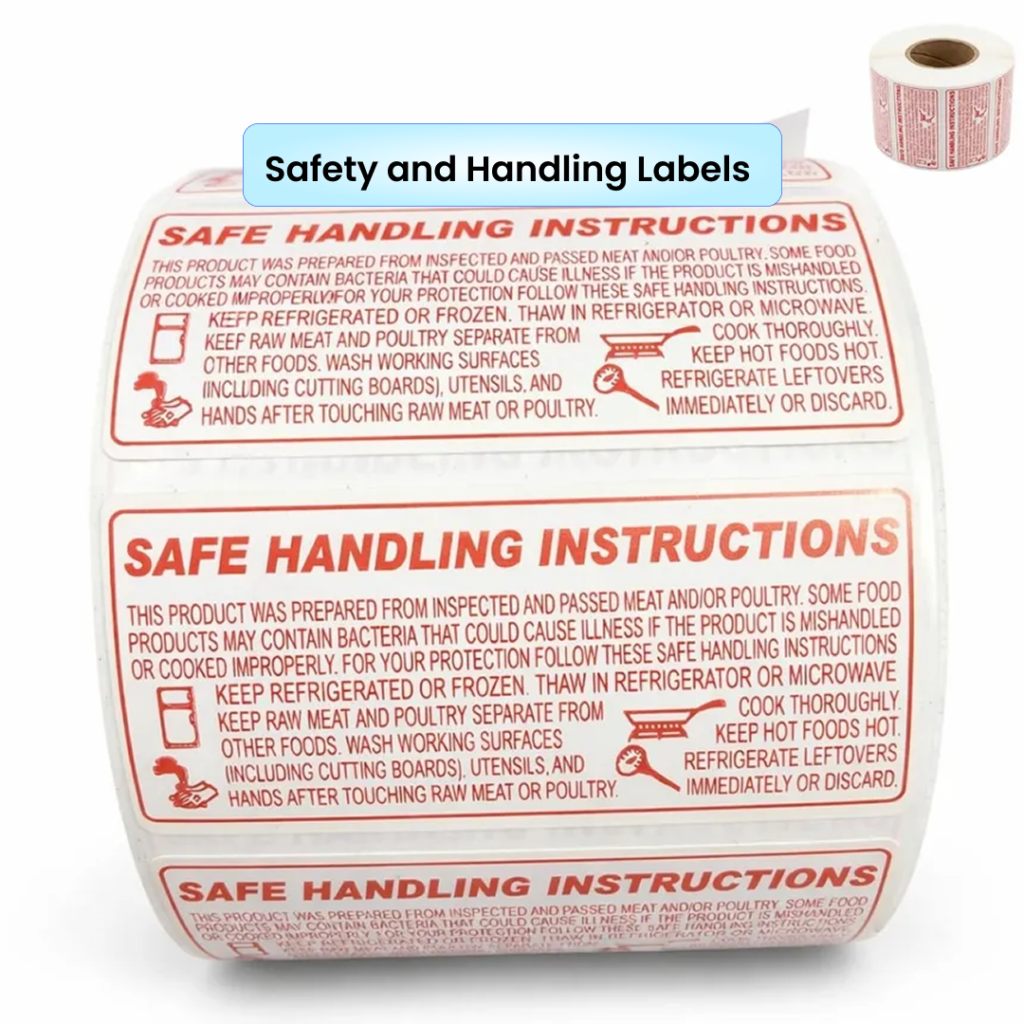
“Fragile”, “This Side Up”, and similar instructions guide handlers and reduce accidental damage during transit.
Tracking & Barcode Labels
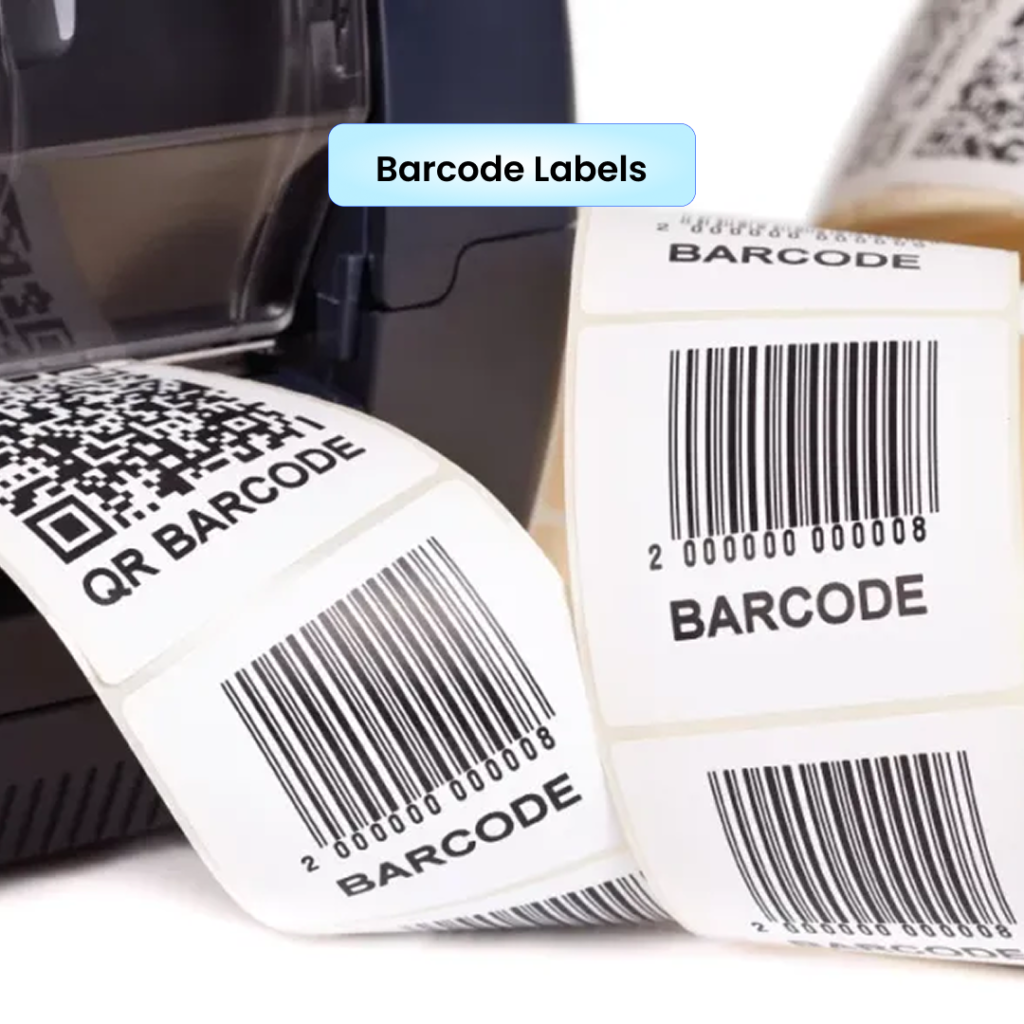
Tracking and barcode labels enable scanning at each checkpoint, real-time tracking, and integration with warehouse and courier systems.
POD Pouches
POD pouches are clear sleeves attached to courier bags to hold invoices, shipping labels, or proof-of-delivery documents, keeping them visible and protected for easy verification.
Key Elements of Effective Packaging and Labeling
Effective packaging and labeling typically include: strong and durable materials, tamper-proof features where needed, clear and scannable labels, high-quality printing for branding, consistent brand identity, and optimised size and weight for logistics and courier pricing.
How to Choose the Right Packaging and Labeling
When selecting solutions, evaluate:
- Type of shipment and handling conditions.
- Required level of security and tamper evidence.
- Branding and printing requirements.
- Budget and shipping cost impact.
- Sustainability goals and use of paper-based alternatives where possible.
- Compatibility with logistics and courier systems (label formats and barcodes).
Common Mistakes to Avoid
Avoid using weak materials that tear in transit, placing labels where they are hard to scan, ignoring tamper-evident needs for high-value orders, overlooking branding opportunities on outer packaging, and using too many formats that complicate operations.
Sustainable Packaging and Labeling Trends
E-commerce brands are steadily moving toward recyclable mailers, paper-based alternatives to overcome government compliance requirements, and minimalist, lightweight packaging designs. Eco-conscious brand messaging printed on packs and labels helps communicate these efforts directly to customers. These shifts are also influencing adjacent sectors, highlighting the importance of shopping bags in retail business and the growing focus on sustainability, along with the broader benefits of using shopping bags in retail.
Frequently Asked Questions
What is packaging and labeling in e-commerce?
It is the combination of shipping materials and printed information used to protect products, identify shipments, and communicate brand and delivery details in an online order.
Why is secondary packaging important?
Secondary packaging plays a crucial role in protecting products during shipping. Modern courier bag technology uses tear‑resistant, water‑resistant materials, secure seals, and tamper‑evident features to keep contents safe through multiple handling points in transit.
How does packaging improve logistics efficiency?
Right-sized, durable packaging and clear, scannable labels make picking, sorting, and routing faster and more accurate, reducing delays and errors in the supply chain.
Can packaging be used for branding?
Yes. Printed mailers, logos, colours, and consistent layouts on packaging and labels turn every shipment into a branding touchpoint and build recall with every delivery.
Is a POD pouch customizable?
Yes, absolutely. We offer fully customisable POD pouches tailored to your business needs, from size and placement to printed details, so they enhance both document security and the overall delivery experience.
Conclusion
In an e-commerce business, packaging and labeling are central to logistics efficiency, brand awareness, security, and customer trust. By choosing the right secondary packaging formats and clear, well-designed labels, online brands can strengthen operations today and create a scalable, customer-focused foundation for future growth.